
Digital Marketing Tools for Small Businesses in 2026
Selecting the right digital marketing tools can make a significant difference in how efficiently a business operates. Instead of managing every marketing task manually, businesses can automate campaigns, track customer behaviour, improve search engine rankings, and generate high-quality leads from one place. Here are the most valuable categories of digital marketing tools every small business should consider in 2026.
Digital Marketing Tools

1. SEO Tools
Search Engine Optimization (SEO) is one of the most cost-effective long-term marketing strategies. Research shows that SEO remains the highest ROI-generating channel for marketers, making it a critical investment for small businesses. Ranking higher on Google allows businesses to attract customers organically without spending heavily on advertising.
Popular SEO tools help businesses:
- Perform keyword research
- Track keyword rankings
- Analyze competitors
- Identify technical SEO issues
- Build better content strategies
- Monitor backlinks
Using SEO tools regularly helps improve website visibility, increase organic traffic, and generate long-term business growth.
Recommended SEO Tools
Google Search Console
- Free website performance monitoring
- Keyword tracking
- Technical SEO insights
- Indexing management
Semrush
- Keyword research
- Competitor analysis
- Backlink monitoring
- Site audits
Ahrefs
- Comprehensive backlink analysis
- Keyword opportunities
- Content gap analysis
Benefits of SEO Tools
- Improve search rankings
- Increase organic website traffic
- Generate qualified leads
- Reduce dependency on paid advertising
Small businesses that consistently invest in SEO often experience sustainable traffic growth and higher conversion rates over time.
2. Email Marketing Tools
Email marketing remains one of the highest-performing digital marketing channels. Industry reports show that businesses can generate between $36 and $42 for every $1 spent on email marketing, making it one of the most profitable marketing investments available.
Recommended Email Marketing Tools
Mailchimp
- Easy-to-use interface
- Email templates
- Automation workflows
- Audience segmentation
Brevo (formerly Sendinblue)
- Email and SMS marketing
- Marketing automation
- CRM integration
MailerLite
- Affordable pricing
- Drag-and-drop editor
- Landing pages
- Automation features
Benefits of Email Marketing Tools
- Build customer relationships
- Increase repeat purchases
- Automate customer journeys
- Generate consistent revenue
Research indicates that over 75% of marketers plan to maintain or increase their email marketing investment, demonstrating continued confidence in this channel.
3. Social Media Management Tools
Social media platforms offer powerful opportunities for customer engagement and brand visibility. However, managing multiple accounts manually can be time-consuming.
Recommended Social Media Tools
Buffer
- Schedule posts across platforms
- Performance analytics
- Team collaboration
Hootsuite
- Multi-platform management
- Social listening
- Reporting dashboards
Later
- Visual content planning
- Instagram-focused features
- Automated publishing
Benefits of Social Media Tools
- Save time through scheduling
- Maintain posting consistency
- Improve audience engagement
- Analyze campaign performance
Short-form video content continues to generate some of the highest marketing returns, making social media management tools increasingly valuable for small businesses.
4. Content Creation Tools
Content marketing helps businesses establish authority, attract traffic, and nurture leads. Studies show that content marketing generates significantly more leads than traditional marketing while costing less.
Recommended Content Creation Tools
Canva
- Graphic design templates
- Social media visuals
- Presentations and marketing materials
ChatGPT
- Content ideation
- Blog drafting
- Email writing
- Marketing copy generation
Grammarly
- Grammar correction
- Tone optimization
- Writing enhancement
Benefits of Content Creation Tools
- Faster content production
- Professional-quality designs
- Improved content consistency
- Enhanced audience engagement
Quality content remains a foundation of successful digital marketing strategies.
- Customer Relationship Management (CRM) Tools
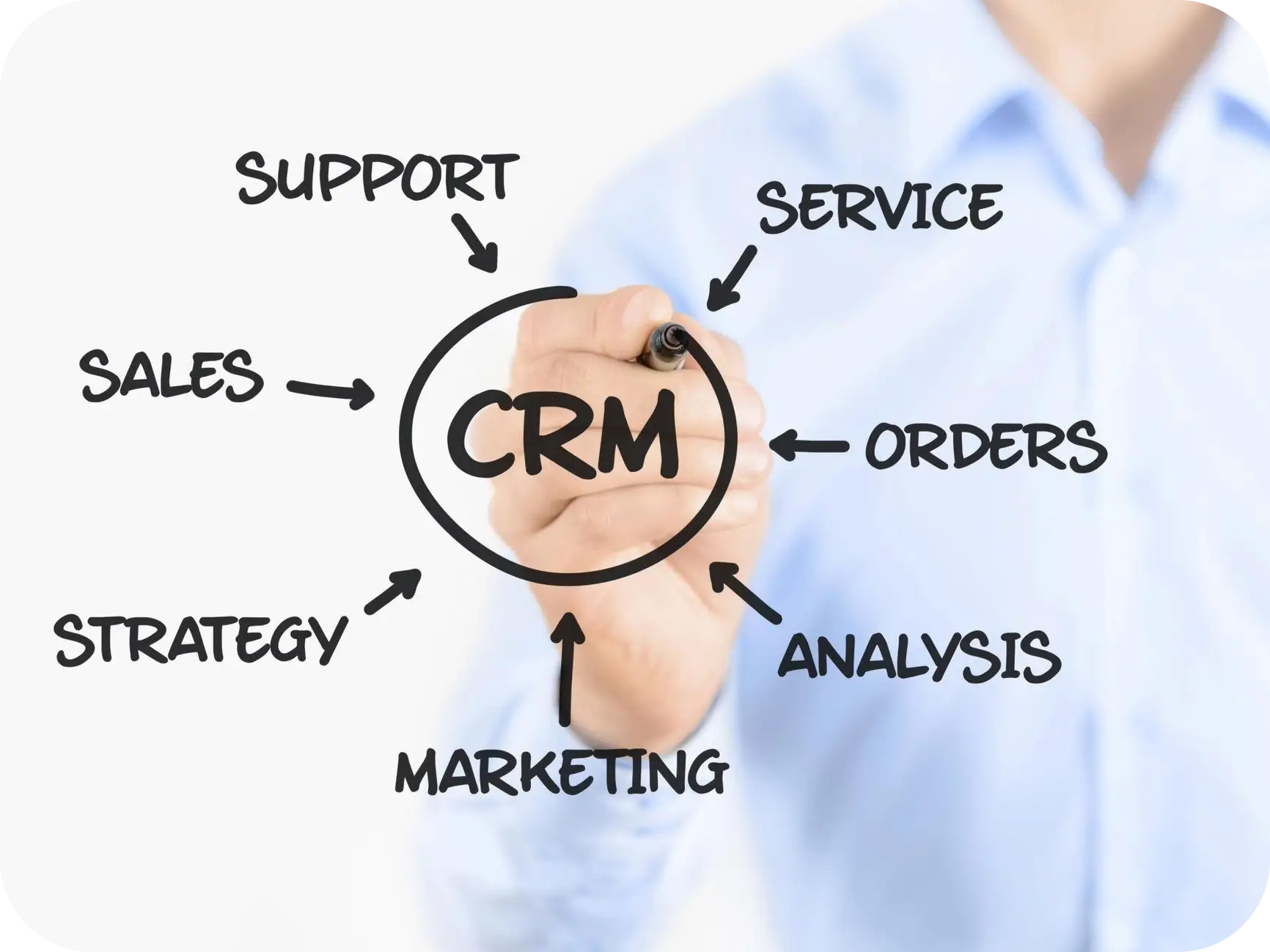
CRM platforms help businesses manage customer interactions, sales pipelines, and marketing activities from a single location.
Managing customer relationships effectively is critical for business growth. CRM software stores customer information in one centralized location, allowing businesses to track interactions, monitor sales opportunities, and improve customer service.
CRM platforms help businesses:
- Organize customer data
- Track leads
- Automate follow-ups
- Improve communication
- Increase customer retention
Better customer management often leads to stronger relationships and higher lifetime customer value.
Recommended CRM Tools
HubSpot CRM
- Contact management
- Email tracking
- Lead nurturing
- Sales automation
Zoho CRM
- Lead management
- Workflow automation
- Reporting features
Pipedrive
- Sales pipeline tracking
- Activity reminders
- Performance analytics
Benefits of CRM Tools
- Better customer relationships
- Improved lead management
- Increased sales productivity
- Enhanced reporting capabilities
For small businesses looking to scale efficiently, CRM software is often one of the most valuable technology investments.
- Analytics and Reporting Tools
Without analytics, businesses cannot accurately measure marketing success.
Recommended Analytics Tools
Google Analytics 4 (GA4)
- Website traffic analysis
- Conversion tracking
- User behavior insights
Looker Studio
- Custom dashboards
- Marketing reports
- Data visualization
Hotjar
- Heatmaps
- Session recordings
- User feedback collection
Benefits of Analytics Tools
- Measure campaign effectiveness
- Understand customer behavior
- Optimize marketing spending
- Improve conversion rates
Data-driven decision-making helps small businesses allocate resources more effectively and maximize ROI.
- Paid Advertising Tools
Paid advertising allows businesses to generate immediate traffic and leads while complementing long-term SEO efforts.
Paid advertising offers quick visibility for businesses looking to reach new customers. Advertising platforms allow businesses to target users based on demographics, interests, search intent, and online behavior.
Successful advertising campaigns require continuous monitoring, keyword optimization, audience testing, and budget management. Combining paid advertising with strong SEO often produces the best long-term results.

Recommended Advertising Platforms
Google Ads
- Search advertising
- Display campaigns
- Remarketing
Meta Ads Manager
- Facebook advertising
- Instagram campaigns
- Audience targeting
LinkedIn Ads
- B2B lead generation
- Professional audience targeting
Benefits of Advertising Tools
- Quick visibility
- Highly targeted campaigns
- Measurable performance
- Scalable growth opportunities
Many small businesses use paid advertising to accelerate customer acquisition while building long-term organic traffic through SEO.
- Marketing Automation Tools
Marketing automation reduces manual work and improves customer experiences.
Recommended Automation Tools
Zapier
- Connect multiple applications
- Automate workflows
- Reduce repetitive tasks
ActiveCampaign
- Email automation
- Customer segmentation
- Sales automation
HubSpot Marketing Hub
- Lead nurturing
- Campaign automation
- Customer journey tracking
Benefits of Automation Tools
- Save valuable time
- Improve customer engagement
- Increase marketing efficiency
- Scale operations without increasing staff
Automation enables small businesses to operate like much larger organizations while maintaining personalized customer interactions.
Emerging Trends in Digital Marketing Tools for 2026
Technology continues to reshape digital marketing every year. Small businesses that embrace these changes early often gain a competitive advantage.
Some of the biggest trends include:
- AI-powered marketing automation
- Predictive customer analytics
- Voice search optimization
- Personalized customer experiences
- First-party data collection
- Video-first marketing strategies
- Conversational AI chatbots
- Advanced marketing automation
These innovations help businesses deliver more relevant experiences while improving operational efficiency.
How to Choose the Right Digital Marketing Tools

Before investing in any software, consider the following:
Define Your Goals
Ask yourself:
- Do you want more website traffic?
- Are you focused on lead generation?
- Do you need better customer retention?
Evaluate Your Budget
Many tools offer free plans suitable for startups and small businesses. Start with essential tools and expand as your business grows.
Prioritize Integration
Choose tools that work together seamlessly to create a unified marketing ecosystem.
Focus on Ease of Use
Complicated software can slow adoption and reduce productivity. Look for intuitive platforms with strong customer support.
With hundreds of marketing platforms available, choosing the right solution can feel overwhelming. Instead of selecting tools based on popularity alone, businesses should evaluate their specific needs.
Consider the following factors:
- Business goals
- Available budget
- Ease of use
- Integration with existing software
- Customer support
- Scalability
- Reporting capabilities
- Security and compliance
Starting with a few essential tools and expanding gradually is often the most practical approach for small businesses.
Common Mistakes Small Businesses Should Avoid
Many businesses invest in marketing software but fail to achieve meaningful results because of poor implementation.
Avoid these common mistakes:
- Using too many tools simultaneously
- Ignoring analytics and reporting
- Failing to update content regularly
- Not optimizing websites for mobile users
- Overlooking SEO best practices
- Sending generic email campaigns
- Neglecting customer feedback
- Depending entirely on paid advertising
Successful digital marketing requires continuous testing, optimization, and adaptation.
Conclusion
Choosing the right Digital Marketing Tools for Small Businesses can transform how companies attract customers, generate leads, and grow revenue.
Digital marketing continues to evolve rapidly, and businesses that invest in the right technology are better positioned for sustainable growth. Whether your goal is increasing website traffic, improving customer engagement, generating more leads, or boosting sales, choosing the right digital marketing tools can simplify your marketing efforts while delivering measurable results.
The most successful small businesses do not rely on a single platform. Instead, they combine SEO, social media management, email marketing, AI-powered content creation, analytics, CRM systems, and automation tools to build a comprehensive digital marketing strategy.
As 2026 unfolds, businesses that embrace innovation while focusing on customer experience will remain competitive in an increasing digital marketplace. Investing in the right digital marketing tools today can help create stronger customer relationships, improve marketing performance, and support long-term business success.
For more updates follow my homepage. Please reach out us for more articles in instagram.